
Why coffee carts are a must-have for philly’s corporate events in 2026
Corporate events in Philadelphia are evolving. Companies are moving away from forgettable catering trays and toward experiences that feel intentional, human, and memorable. One of the simplest ways to elevate a corporate gathering is with a specialty coffee cart, and here’s why.
coffee carts Elevate Atmosphere and Experience
A coffee cart does more than serve drinks, it transforms the room. The aroma of freshly pulled espresso, the sound of steaming milk, and the first sip of a well-made latte instantly creates a warm and welcoming atmosphere. All of a sudden, a neutral office environment feels like a pop-up café.
Coffee carts are interactive and engaging by nature, because guests watch drinks being crafted, chat with the barista, and get to be part of the experience.
2. coffee carts provide Instagram-Worthy Aesthetics
Visual appeal matters. A thoughtfully designed coffee cart looks great in photos and videos, making it perfect for internal communications, social media, and event recaps. In a city like Philly where creative culture and brand identity matter, coffee carts offer an aesthetic upgrade that traditional catering simply can’t match. Aesthetically crafted drinks will have guests swiping for their camera even before taking the first sip, leaving them with a corporate coffee experience they’d love to show others.
3. coffee carts offer High-End Quality with Minimal Footprint
Coffee carts take up minimal space (for us, 6x6 feet) while delivering maximum quality. Unlike traditional catering setups that can feel bulky or impersonal, a specialty coffee cart is compact, clean, and intentional.
More importantly, the value aligns with the pricing. With specialty coffee service, the price reflects craftsmanship, quality ingredients, and a memorable guest experience—not just volume.
At Little Sun Coffee, we’re intentional about making sure that every event meets a high standard. Some of the ways we achieve this are through using local specialty coffee, dialing in our espresso before every service, crafting our chai concentrate from scratch, and taking care of our machinery.
The result is a seamless and high-quality experience from start to finish.
4. coffee carts offer Custom Branding That Makes an Impression
Remember the aesthetic cart and beautiful latte… imagine your brand on the front of it.
Custom branding turns the coffee cart into a functional brand activation. Whether it’s a logo on the front of the cart, custom cups, or a menu designed around your company, coffee carts offer organic brand exposure that feels elevated—not promotional.
5. coffee carts Boosts Productivity, Focus, and Engagement
Coffee is a social catalyst. It gets people conversing, lingering, and connecting in ways that traditional catering doesn’t.
Great coffee boosts:
Morale and positivity
Focus and productivity
Natural networking and conversation
And when people enjoy what they’re drinking, it shows. Good coffee leaves people smiling.
☕️ Why Book Little Sun Coffee cart for Your Corporate Event?
Little Sun Coffee isn’t just a coffee cart, we’re a mobile, hospitable cafe experience. We understand that we’re in the people industry, serving coffee, and not the other way around. And we value what modern workplaces value: quality, connection, and thoughtful presentation.
When you book Little Sun Coffee, you’re getting:
A professional, polished setup
Baristas who care about craft and service
An experience your team will actually remember
If you’re planning a corporate event in Philly in 2026, whether it’s an in-office pop-up, client/customer appreciation event, product launch, or conference, our coffee cart is an easy way to elevate the entire experience.
☕️ Let’s bring a little sun to your next event. Cheers!
standards or sustainability: the struggle for sustainability for coffee farmers
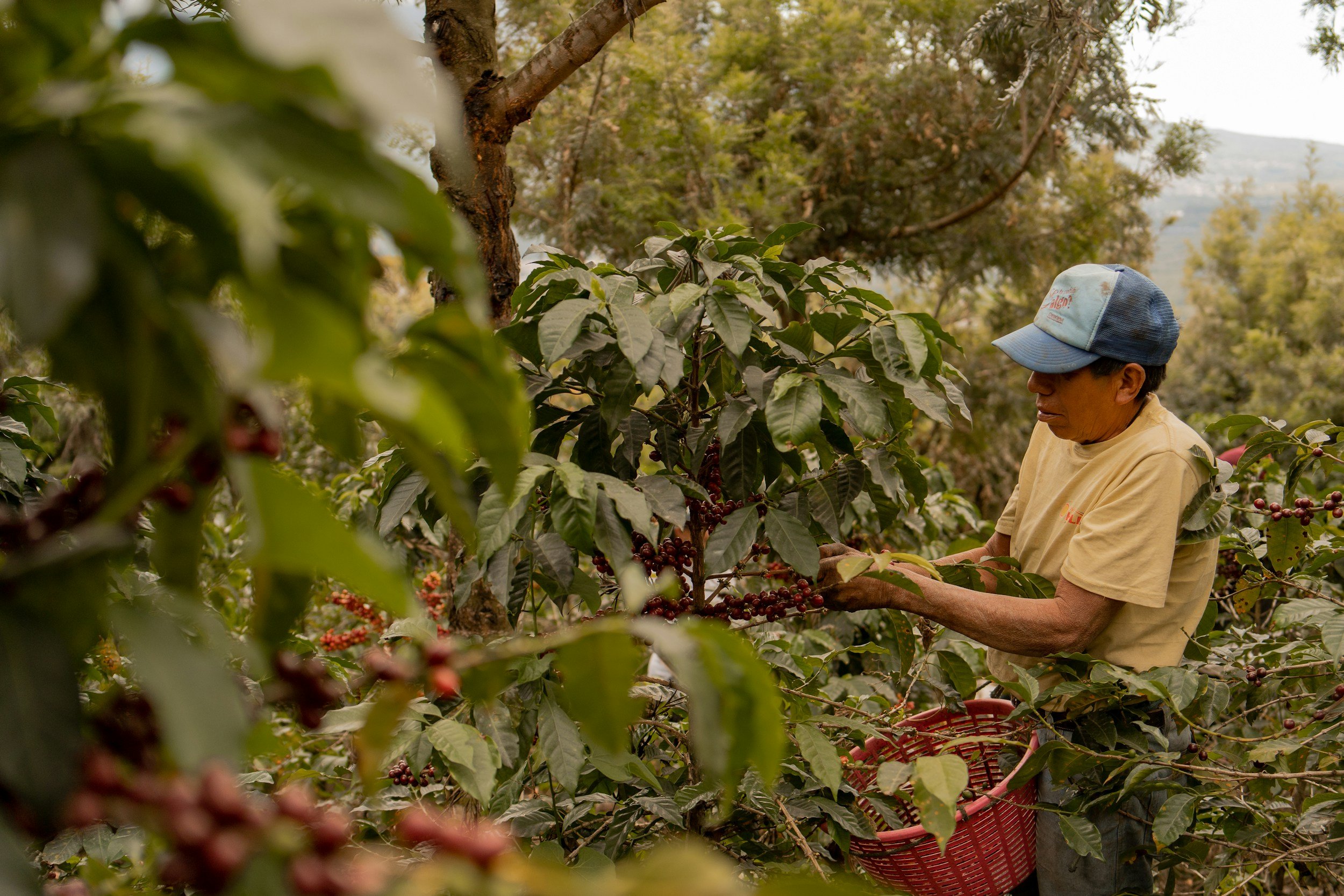
Every great cup of coffee begins long before the first pour. Recently, sustainability has gained demand as conscious consumers look to purchase responsibly produced coffee that ensure ethical farming practices and environmental conservation. It has placed pressure on conventional coffee farmers to incorporate sustainable practices into their farming techniques, which is met with struggles that will be discussed here. While farmers are urged to improve their practices to adhere to new sustainable standards and certifications, they are faced with climate change, lack of capitol, and generational divides, and ultimately, they will choose the option that is most cost beneficial.
The journey toward sustainability in coffee farming is far from simple, but it’s one that shapes the flavor, transparency, and future of the coffee we all enjoy.
a background of coffee farming & recent developments
Behind our morning cup is a global livelihood. Over 25 million small-scale farmers produce the beans that fuel our daily routines. However, low prices, climate instability, and resource scarcity have made this work increasingly fragile and volatile. In the early 2000s, a “coffee crisis” sent prices tumbling to historic lows of under 50 US cents per pound of coffee, the lowest price the industry had seen in a century. Unfortunately, producers carry most of the burden during economic crises such as this, leaving many struggling with food insecurity and limited access to education or housing.
In recent years, a new wave of consumers has emerged that are thoughtful, curious, and sustainability-minded, and they are reshaping the landscape. These coffee lovers care where their beans come from, how they’re grown, and who benefits from each sale. As a result, certifications such as Fair Trade, Rainforest Alliance, and Organic Coffee have gained traction, aiming to connect ethical consumption with equitable production. Still, for many farmers, achieving certification remains an uphill climb that is costly, time-intensive, and often inaccessible.
Sustainability: Easier Said Than Done
Sustainable coffee farming sounds simple in theory: shade-grown plants, organic fertilizers, ethical sourcing. In practice, it’s a delicate balance between environmental care and economic survival.
For example, replanting aging coffee trees or adopting eco-friendly fertilizers can significantly improve soil health and biodiversity, but often require years of investment before generating profit. Many smallholders don’t have the capital to wait. Others face limited education about sustainable practices, or live in regions where environmental methods are incompatible with climate conditions.
Despite these barriers, farmers are finding ways to innovate. They’re reusing coffee husks as compost, planting nitrogen-fixing trees, and returning to traditional terraced growing methods that protect both soil and community. These local solutions prove that sustainability is not a luxury but a living relationship between people and the planet.
Certifications and Consumer Awareness
Certifications were designed to reward responsible farming, yet the reality is mixed. While Fair Trade and Organic programs can stabilize prices and empower growers, only a portion of certified coffee actually sells at premium rates. The rest often competes in the same volatile markets as conventional beans.
What truly creates lasting change is demand, from consumers who choose with intention. That’s all of us. The more we prioritize ethically sourced coffee, the more accessible sustainability becomes for farmers worldwide. At Little Sun Coffee, we partner with suppliers who share this belief, valuing transparency, fair pay, and traceable origins. Each event we cater, every cup we serve, is part of this greater commitment.
How Sustainability Shapes the Coffee Experience
The impact of sustainability is worldwide. Changes in farming practices influence everything from coffee’s flavor profile to its availability. As climate zones shift, regions once ideal for coffee cultivation are becoming less viable, affecting bean diversity and cost.
Consumers may already notice subtle differences: higher prices for single-origin brews, new emphasis on alternative crops, and deeper storytelling behind each bag of beans. These aren’t just market trends, they’re the visible ripples of a global transformation. When you enjoy a responsibly sourced latte or pour-over from Little Sun Coffee, you’re tasting the result of countless choices made to protect people, ecosystems, and the future of coffee itself.
A Shared Responsibility
True sustainability requires collaboration at every level: governments supporting farmers through fair policies, roasters and cafés building transparent relationships, and consumers embracing mindful purchasing. Education is key to empower coffee-growing families with knowledge about sustainable farming ensures the next generation can continue this vital work.
At Little Sun Coffee, we see our role not only as a provider of exceptional coffee experiences but as a bridge between the farmer’s field and the consumer’s cup. Every event we serve is an opportunity to celebrate this connection that is proof that sustainability can be both ethical and enjoyable.
Looking Forward
The path to a sustainable coffee future is complex, but exciting. From farm-level innovation to conscious consumerism, every action contributes to a more balanced, equitable coffee industry.
At Little Sun Coffee, we’re proud to be part of that movement — one cup, one event, and one conversation at a time.
Cheers :)
Violet